
How to Maintain a Cuplock System for Long-Lasting Use
A cuplock scaffolding system is one of the most durable access systems on a modern construction site — its boltless wedge-lock nodes let a crew erect a tower in minutes and strip it just as fast. Built from high-strength galvanized steel, a well-cared-for cuplock system can stay in service for 20 years or more across hundreds of assembly cycles. The catch is simple: longevity is not automatic. It is the direct result of a disciplined maintenance routine. This guide walks through what the system is made of, why upkeep pays off, and the practical steps that keep a cuplock scaffold safe, compliant and earning its keep for the long haul.
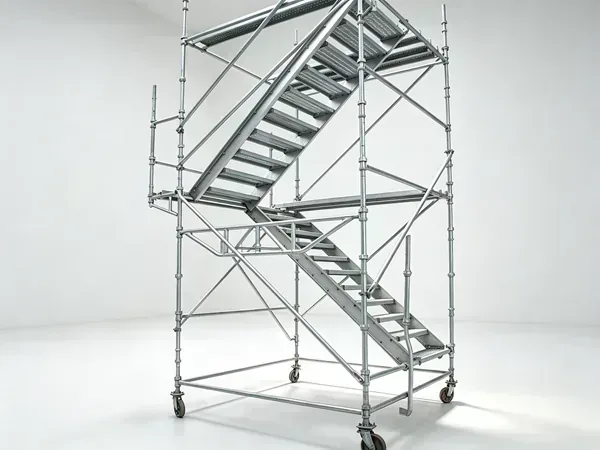
Understanding the Cuplock System
Before you can maintain a cuplock system you have to know its parts. The standard components are:
- Vertical standards — the load-bearing posts, each carrying a forged top cup and a welded bottom cup at fixed nodal points. See our cuplock vertical.
- Horizontal ledgers — the transoms that lock into the cups to form each lift. See our cuplock horizontal.
- Top and bottom cups — the heart of the wedge-lock principle; they spread load evenly and let you drop a ledger in with a single hammer blow.
- Diagonal braces — swivel face and clamp braces that stop racking and keep the bay square. See our cuplock swivel face brace and cuplock swivel clamp brace.
- Spigots, base plates and adapters — the alignment and foundation pieces that keep standards plumb and let the system reach, cantilever or roll.
Because there are no nuts and bolts to loosen, the design itself minimizes wear. But the cups, blades and tube walls are exactly the parts that corrosion, impact and poor handling attack first — which is where maintenance comes in.
Why Regular Maintenance Is Essential
Three reasons make a scheduled maintenance program non-negotiable:
- Safety. A single cracked cup or bent standard can redistribute load to the wrong member and trigger a collapse. Regular inspection catches defects before they become failures.
- Cost. Preventive care costs a fraction of replacing a damaged bay. Industry guidance (OSHA 1926.451, EN 12811, ANSI/ASSE A10.8) ties inspection frequency to safe operation.
- Lifespan. Diligent cleaning, coating and storage can more than double a system’s service life — turning a 10-year asset into a 20-year one.
Essential Cuplock Maintenance Tips
1. Clean after every use
Mud, concrete splatter and grit accumulate in the cups and on the blades during a job. After dismantling, wash each component with a mild detergent, rinse and air-dry in the shade. Clean cups seat faster on the next build and avoid the friction that wears the locking faces.
2. Control corrosion
Galvanized steel resists rust, but scratched or chipped coating exposes bare metal. Inspect for rust patches, then touch up scratched areas with a cold-galvanizing or zinc-rich paint. In coastal or humid sites, re-apply a protective coating every few years. Pay close attention to the base members most exposed to the ground — our cuplock vertical clamp and the standards it secures sit right at the foundation line.
3. Store properly
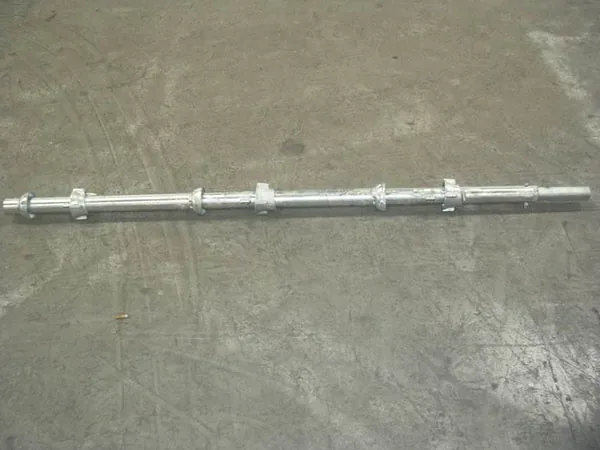
Never leave components in the weather or stacked on uneven ground — standards warp and ledgers bend. Store on flat, raised racking in a dry, covered, well-ventilated area, kept off the floor and out of direct sun. Good storage alone can cut lifecycle cost by up to 15%.
4. Inspect components
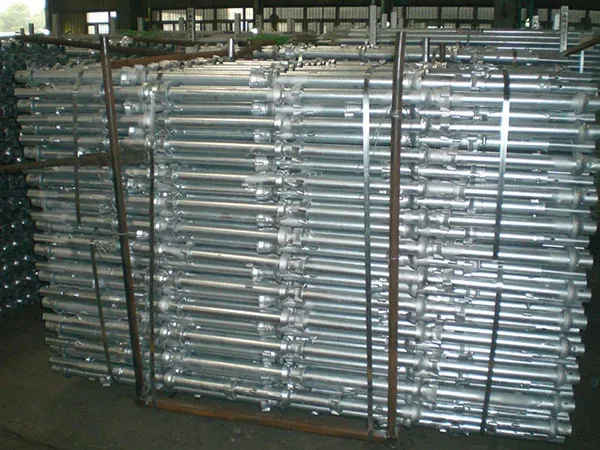
Run a visual and structural check before each use and at least every 7 days on a live job (OSHA 1926.451). Look for bent or cracked standards and ledgers, deformed or loose cups, excessive rust, missing blades or wedges, and any sign of impact damage. Replace defective parts immediately — do not field-repair a load-bearing member.
5. Lubricate the locking nodes
Apply a light, steel-compatible grease to the cups and blades after heavy use or monthly on rotating stock. Lubrication keeps the wedge action smooth, prevents seizing, and makes assembly and stripping faster. Avoid heavy oil that traps grit.
6. Repair or replace damaged parts
Minor cosmetic damage can be dressed; anything that affects a load path must be replaced. Keep a small stock of common wear items — cups, blades, base plates, board brackets and deck adapters — so a damaged bay is back in service the same day instead of waiting on the next shipment.
7. Follow the manufacturer guidelines
Use only components made for your cuplock model and stay within the rated load classes. Mixing incompatible parts or over-tightening joints forces misalignment and accelerates wear.
8. Train your crew
Most premature damage comes from untrained handling — dropping standards, forcing misaligned ledgers, over-tightening. Short, regular handling workshops pay back in fewer bent parts and safer builds.
9. Keep maintenance records
Log every inspection, repair and coating refresh (ISO 9001-style records). A simple ledger lets you spot a recurring fault, prove compliance on audit, and decide when a member should be retired rather than repaired.
Common Mistakes That Shorten Cuplock Life
- Ignoring small rust spots — they spread fast once they start.
- Overloading beyond the rated class — it strains cups and standards.
- Using non-compatible parts from another system.
- Skipping inspections to chase a deadline.
- Dropping or dragging components during strip-down.
- Leaving scaffolding exposed to rain, sun and salt without cover.
Signs Your Cuplock System Needs Attention
Catch these early: cups that are hard to lock or ledgers that will not seat, unusual creaks during assembly, rust staining from a joint, slight misalignment when stacking, or visible flattening at contact points. Mobile items such as the caster adapter and reach items such as the cantilever extension adapter take extra knocks and deserve a closer look each cycle.
Adapting Care to the Environment
Hot, coastal or dusty sites are hardest on cuplock. Sand infiltrates the cup joints and raises wear; humidity and salt accelerate corrosion; heat cycling loosens joints. On these sites use anti-corrosion grease in the nodes, wash components more often, and store in shaded, ventilated space. A preventive schedule tailored to the climate is what lets cuplock systems in demanding regions outlast their rated life.
Frequently Asked Questions
How often should a cuplock system be inspected? At minimum every 7 days on an active site and before each use, after any modification, or following severe weather (OSHA 1926.451).
What is the best way to prevent cuplock corrosion? Keep components clean and dry, touch up scratched galvanizing with zinc-rich paint, and re-coat every few years in aggressive environments.
Can damaged cuplock parts be repaired? Cosmetic marks can be dressed, but any part that carries load and shows a crack, bend or deformed cup must be replaced, never field-welded.
How should cuplock be stored between projects? On flat, raised racking in a dry, covered, ventilated area, off the floor and out of direct sun.
How long does a cuplock system last? With a disciplined routine — cleaning, inspection, coating and proper storage — 20 years or more of active service is realistic.
Do I need trained staff to erect cuplock? Yes. Trained crews assemble faster, avoid forcing misaligned parts, and prevent the drops and over-tightening that shorten component life.
Keep Your Cuplock System Working for Decades
A cuplock system rewards the care you give it. Pair a simple inspection-and-clean routine with protected storage and good records, and the same bay you buy today will still be earning its keep in twenty years. Browse the full range, including the cuplock scaffolding ladder for safe access, or send us your bay layout and duty requirements and we will spec the components and maintenance spares for your site. Contact ACE SCAFFOLD for a quotation, OEM options and current lead times.
Further reading — the maintenance practices above draw on these industry guides: Amirsons – Cuplock Maintenance Tips, LH Formworks – Cuplock Parts Maintenance, Affix KSA – Why Cuplock Lasts for Decades, Anta Scaffolding – Cuplock Inspection Best Practices.
More from ACE SCAFFOLD Blog
- What is ICF means
- ICF bracing setup
- Bracing for ICF House
- Advantages of ICF House
- Ringlock Scaffolding: The Modular System Built for Speed
- Why Contractors Choose Cuplock Scaffolding for Heavy Loads
- Frame Scaffolding: The Reliable Workhorse of the Job Site
- Steel Props: Adjustable Shoring Made Simple
- Scaffold Planks: Steel vs Aluminum Walk Boards
- Aluminum Mobile Scaffold Towers for Fast Indoor Access
- 14 Common Scaffolding Safety Hazards and How to Prevent Them
- Temporary Roofing System User Guide
- What is the packing of scaffolding
- What Is Ringlock Scaffolding
- What Are the Key Differences Between Ringlock and Cuplock Scaffolding?
- Fed Rate Hike Impact on Scaffold Steel Pipe and Zinc Prices
- Shipping from China to the USA West 2026
- Types of Scaffolding Planks