
Fed Rate Hike Impact on Scaffold Steel Pipe and Zinc Prices
On 16 September 2026 the Federal Open Market Committee raised the federal funds rate by 25 basis points to a target range of 3.75%–4.00%, effective 17 September. It was the first increase since July 2023, approved unanimously (12–0) and chaired by Kevin Warsh. The dot plot showed most officials expect at least one more 25 bp move this year. For contractors and distributors who buy ringlock and cuplock systems by the tonne, that decision lands directly on two input costs: the steel pipe the frames are rolled from, and the zinc that hot-dip galvanizes them. This article explains the mechanism and the current numbers so you can plan purchases instead of being surprised by them.
What the Fed decision means for commodity demand
A rate hike works on scaffold material costs through three channels. First, higher borrowing costs raise the cost of construction finance, so developers delay or shrink projects and steel demand softens. Second, a tighter Fed and a stronger dollar make dollar-priced metals more expensive for everyone outside the United States, which drags on non-US demand. Third, higher rates pull speculative money out of commodities and into bonds. The immediate market read was telling: the 10-year Treasury yield rose about 2 bp to 5.012%, and the trade-weighted dollar index gained roughly 0.6% to 100.3. A firmer dollar is the part that matters most for zinc and imported steel.
Why a rate hike pushes on scaffold steel-pipe prices
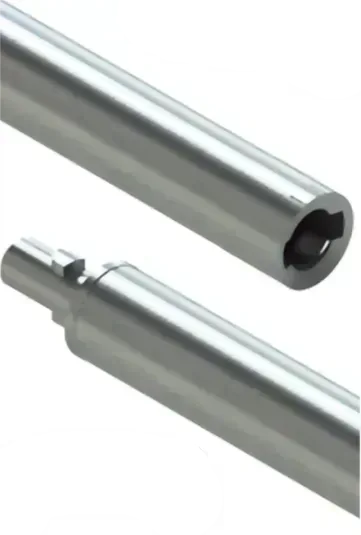
Scaffolding is fundamentally rolled steel tube — typically Ø48.3 mm (Ø1.9 in) outer diameter, 3.2 mm wall, in Q235B or Q355B grade. When construction slows, mills cut utilisation and spot prices dip; when the dollar strengthens, export orders from China (the world's largest steelmaker) become cheaper for foreign buyers, but the input side of a Chinese exporter is also dollar-exposed. Chinese crude steel output fell about 3% year on year in the first half of 2026, a sign of already-soft domestic demand that a rate hike only reinforces. The net effect is usually a modest, stage-level downward pressure on steel-pipe prices rather than a collapse — supply-side controls and seasonal restocking put a floor under them.
The steel-pipe price picture right now
Spot readings from Mysteel in September 2026 put the key scaffold items at:
- Disc-lock standards, Q355B Ø48.3×3.2×2000 mm — about 4,940 yuan per tonne.
- Galvanized pipe, 1 in × 3.25 mm — about 4,290–4,410 yuan per tonne.
- Welded steel pipe — about 3,600–3,620 yuan per tonne.
- Square tube — about 3,960 yuan per tonne.
Internationally, Q2 2026 steel-pipe pricing was firm in the United States — around $948 per tonne in June — supported by steady construction and manufacturing activity, tighter supply and higher import costs. China softened on weak domestic construction, while Germany edged up on energy-cost pressures. The takeaway for a buyer is that US-dollar scaffold steel is holding up better than Chinese domestic spot, but both are now leaning against a stronger dollar and a cooling rate-cycle peak.
Zinc and galvanizing: the hidden cost inside every galvanized tube
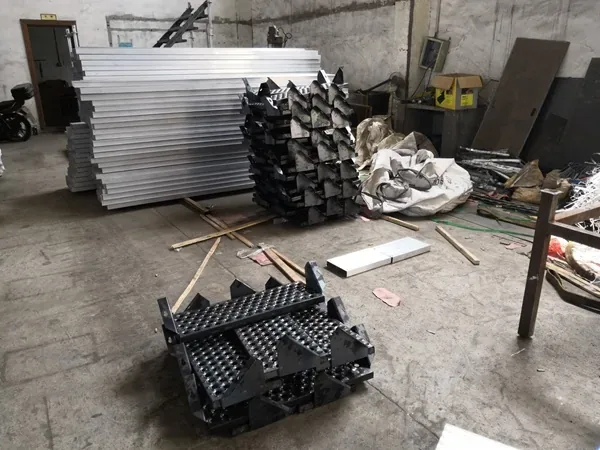
Most scaffold tube and fittings leave the factory hot-dip galvanized to EN ISO 1461. Galvanizing means dipping the fabricated steel into a bath of molten zinc, so the price of zinc is baked directly into the coating cost. When zinc is expensive, the surcharge on a galvanized tube rises even if the underlying steel is flat. For a buyer comparing quotes, that is the variable most likely to move between two offers dated a few weeks apart.
Where zinc is trading and why it matters
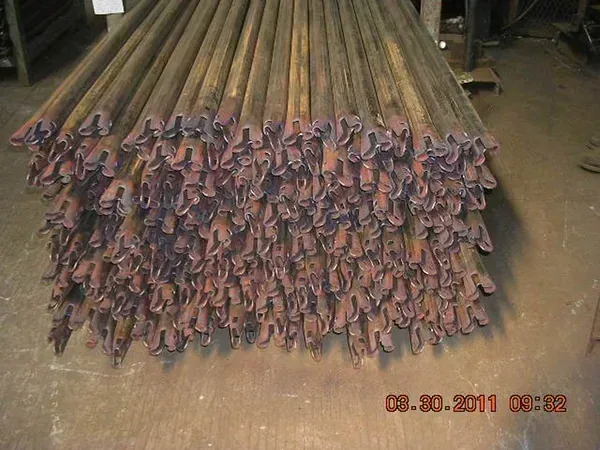
Going into the meeting, a stronger dollar and rate-hike expectations had already weighed on zinc: on 2 September LME zinc fell about 0.82% and SHFE zinc about 1.46%. After the 16 September hike, zinc slipped below $3,800 per tonne — its lowest in roughly a month — trading in a broad $3,800–4,150 range. Supporting the price on the other side: LME inventories below 100,000 tonnes, negative smelter treatment charges (a sign of concentrate scarcity), lower mine output, and Chinese production cuts. So zinc is caught between a strong-dollar, higher-rate headwind and a genuinely tight physical market. The practical result is a volatile coating cost that can move 5–10% on a single macro headline.
What this means for buyers and contractors
None of this argues for panic buying, but it does argue for disciplined purchasing. Five moves matter:
- Lock pricing on committed projects. If you have a job awarded and a bill of materials, fix the steel and galvanizing price now rather than when you break ground in two months.
- Buy galvanized for lifecycle, not just first cost. In a volatile zinc market the cheapest painted tube is the most exposed to corrosion and replacement. Galvanized frame and steel prop systems keep their protection regardless of coating-price swings.
- Watch the dollar and the next dot-plot meeting. A stronger dollar usually means cheaper Chinese export quotes in your currency — a window to buy — while a dovish surprise can lift both steel and zinc at once.
- Order to the project, not to the warehouse. Holding extra tonnage ties up capital that now earns more in a money-market fund than a year ago.
- Quote with a validity window. ACE SCAFFOLD quotes FOB Shanghai with a stated price-validity period so a swing in steel or zinc does not land on you mid-tender.
Frequently asked questions
Does a Fed rate hike always raise scaffold prices? No. Higher rates usually press steel and zinc down through weaker demand and a stronger dollar. The cost that tends to rise is the zinc galvanizing surcharge, which can move opposite to the steel itself when supply is tight.
Is galvanized scaffold worth the extra cost right now? Yes for anything left outdoors or in cycle. Galvanizing protects the tube for the life of the asset, so a volatile zinc price should not push you toward un-coated steel that you will have to replace.
Should I stockpile steel pipe before more hikes? Only against committed work. Uncommitted inventory ties up cash that earns more in a high-rate environment and can lose value if Chinese export prices soften.
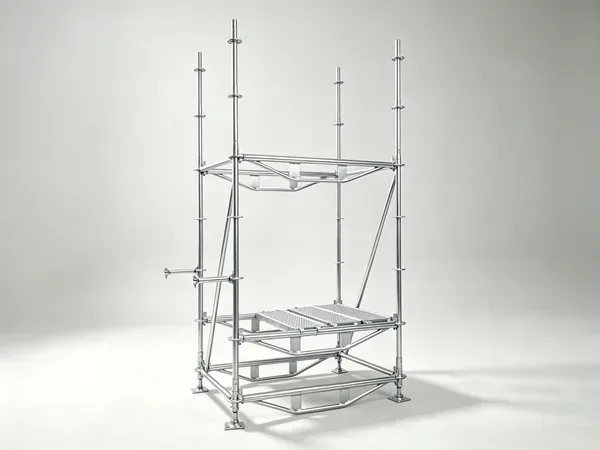
Which scaffold system is least exposed to steel-price swings? All rolled-steel systems move together — ringlock, cuplock and frame are the same tube at heart. The hedge is buying galvanized and fixing price on awarded projects, not picking a different joint. For a side-by-side of the two main systems, see ringlock vs cuplock scaffolding.
Talk to ACE SCAFFOLD about fixed-price supply
ACE SCAFFOLD manufactures ringlock, cuplock and frame scaffolding and the full accessory range in Q235B/Q355B steel, hot-dip galvanized to EN ISO 1461 and built under EN 12810 and ISO 9001. Send us your bill of materials and target delivery window and we will quote FOB Shanghai with OEM and ODM options and a clear price-validity period, so a move in steel or zinc does not become your problem.
More from ACE SCAFFOLD Blog
- What is ICF means
- ICF bracing setup
- Bracing for ICF House
- Advantages of ICF House
- Ringlock Scaffolding: The Modular System Built for Speed
- Why Contractors Choose Cuplock Scaffolding for Heavy Loads
- Frame Scaffolding: The Reliable Workhorse of the Job Site
- Steel Props: Adjustable Shoring Made Simple
- Scaffold Planks: Steel vs Aluminum Walk Boards
- Aluminum Mobile Scaffold Towers for Fast Indoor Access
- 14 Common Scaffolding Safety Hazards and How to Prevent Them
- Temporary Roofing System User Guide
- What is the packing of scaffolding
- What Is Ringlock Scaffolding
- What Are the Key Differences Between Ringlock and Cuplock Scaffolding?